


Human relations aren’t easy.
Understanding the ways in which we develop our values, which affect behavior, can help deal with the complexity of human interaction. Much of what Western-trained behavioral scientists think they understand about culture, values, & behavior is based on a very narrow data set of WEIRD people—Western, Educated, Industrialized, Rich, Democratic.
A German team led by Professor Heidi Keller expands our understanding with an ecocultural view across different countries & socioeconomic structures.


They surveyed parents/grandparents from 3 countries in both rural & urban areas, about their goals in socializing children, finding significant differences. Rural areas of all 3 taught children obedience & respecting what elders say. German & Indian urban caretakers taught independent development.
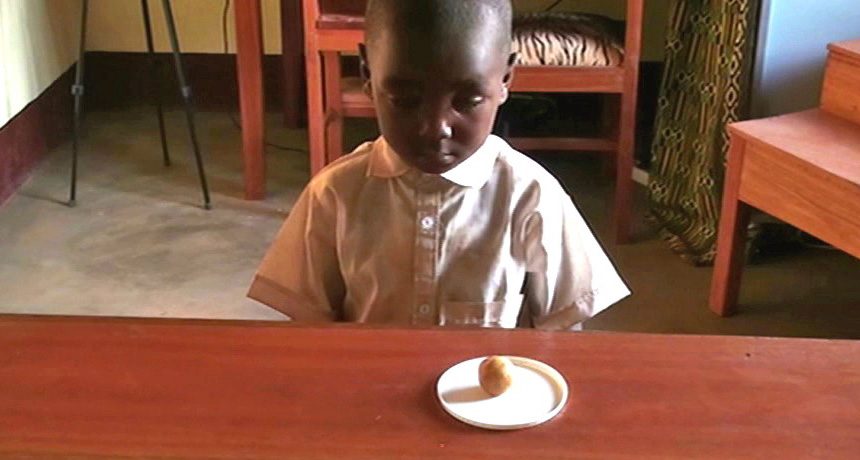
The impact showed in results of an experiment in self-control–the famous “Marshmallow Experiment.” Children were given a sweet & told that if they didn’t eat immediately, they would get a 2ndsweet. Cameroon children were significantly better at resisting temptation.


Leaders in multi-cultural environments frequently deal with Interdependent/Independent cultural dichotomies. Understanding how these develop can improve our interactions.
Learn culturally-relevant skills @ https://www.softpowerskills.com
#Nspyr #SoftPowerSkills